Science Corner

Treatment

Costs

Can China's healthcare system be trusted?

A Comprehensive Guide for Foreign Patients Seeking Medical Care in China

As more and more foreigners include “seeking medical treatment in China” in their plans, “Is Chinese healthcare trustworthy?” has become a core question of global concern. In fact, from treating complex and critical illnesses to high-end health management, Chinese healthcare is emerging as a key choice for international patients with its comprehensive advantages of “strong technology, high efficiency, excellent cost-effectiveness, and warm services.” Data in 2025 shows that major foreign-related hospitals in China received 1.28 million international patients annually, a 73.6% increase compared to three years ago. Behind this growth lies the genuine recognition and word-of-mouth spread of countless patients.

I. Strong Technical Strength: A “Land of Hope” for Complex and Critical Illnesses

The core cornerstone of trust in Chinese healthcare stems from top-tier diagnostic and therapeutic technologies and rich clinical experience. As the world’s most populous country, Chinese doctors handle among the highest annual consultation and surgical volumes globally, forming unique advantages in fields such as cardiovascular diseases, oncology, and plastic and reconstructive surgery:
  • The minimally invasive robotic spleen-preserving surgery performed by Shanghai Ruijin Hospital successfully removed a large pancreatic tumor from a 10-year-old Canadian child while preserving the spleen. This high-difficulty procedure was recommended to have the spleen removed in many European and American countries, but Chinese doctors achieved the dual goals of “minimally invasive + organ preservation” through precise operation, prompting the child’s father (a practicing doctor in Canada) to affirm “it’s absolutely worthwhile.”
  • The thoracic surgery team at Zhujiang Hospital of Southern Medical University formulated an individualized treatment plan for Umar, an Indonesian patient with advanced esophageal cancer. Through chemotherapy combined with immunotherapy + minimally invasive surgery, clinical cure was achieved, breaking the overseas prejudice of “limited experience and uncertain prognosis.”
  • The world’s first proton and heavy ion center (in Shanghai) with an annual treatment volume exceeding 1,000 cases has achieved a 5-year overall survival rate of 92.9% for newly diagnosed nasopharyngeal cancer patients. It has taken the lead in formulating international diagnostic and therapeutic guidelines, realizing the leap of technical standards from “introduction” to “export.”
These cases are not isolated: Cardiovascular surgery at Beijing Fuwai Hospital, plastic and reconstructive surgery at Shanghai Ninth People’s Hospital, and comprehensive cancer treatment at Guangzhou Zhujiang Hospital have all gained international recognition with high success rates, becoming the final choice for foreign patients who have traveled through multiple countries.

II. Efficiency and Cost-Effectiveness: Breaking the “Waiting Dilemma” of Overseas Healthcare

For international patients, the “speed” and “affordability” of Chinese healthcare are equally attractive, perfectly balancing the global medical “impossible trinity” of “high quality, affordability, and short waiting time”:
  • Efficient Processes: No lengthy referral queues are required. Most hospitals support online appointments, enabling foreign patients to achieve “consultation on the same day, examinations on the same day, and test results the next day.” Even emergency surgeries can be arranged quickly. British blogger Amy sought treatment for gastric ulcers in Beijing and was diagnosed and treated on the first day, while similar diagnosis and treatment in the UK would require queuing for months.
  • Outstanding Cost-Effectiveness: Compared with Europe, America, and Japan, Chinese medical costs are only 1/3 to 1/2 of theirs. Chinese-American patient Wang Fen would have spent over 100,000 US dollars on lung cancer treatment in the United States with a high insurance rejection rate. After coming to China for targeted therapy + surgery, the total cost including air tickets and accommodation was much lower than that in Europe and America, and the tumor shrank by 50% within 3 months.
  • Convenient Payment: Key foreign-related hospitals such as Shanghai Ninth People’s Hospital and Guangzhou Zhujiang Hospital have established cooperation with dozens of international commercial insurance institutions, supporting direct payment by high-end commercial insurance and avoiding cumbersome advance payment processes for foreign patients.

III. Service Upgrade: Borderless Medical Security

Chinese healthcare is optimizing services in accordance with international standards to break language and cultural barriers:
  • Multilingual Support: Peking University International Hospital provides translation services in 51 languages, and Guangzhou Zhujiang Hospital covers more than a dozen commonly used languages such as English, Arabic, and Russian, ensuring barrier-free communication during doctor consultations and report interpretations.
  • Customized Processes: Shanghai has launched China’s first “International Medical Service Specifications.” Hospitals have set up international medical departments to provide “one-stop” services—from visa assistance and airport transfers to post-operative remote follow-up and rehabilitation guidance, with dedicated personnel accompanying the entire process. Brazilian girl Zara came to China for treatment of foot deformity. The doctor team conducted cross-time zone online consultations and provided post-operative follow-up guidance, allowing her to receive homogeneous rehabilitation services in her home country.
  • Added Value of Traditional Chinese Medicine (TCM): Traditional therapies such as acupuncture, tuina (Chinese massage), and TCM herbal conditioning have become new choices for foreign patients. The International Medical Department of Yueyang Hospital of Integrated Traditional Chinese and Western Medicine Affiliated to Shanghai University of Traditional Chinese Medicine provides characteristic services such as chronic disease management and rehabilitation care for overseas patients, showcasing the charm of TCM to the world.

IV. Trust Endorsement: Dual Guarantee of Systems and Word of Mouth

The trustworthiness of Chinese healthcare also stems from sound industry norms and continuous accumulation of word of mouth:
  • At the national level, the construction of international medical tourism clusters is promoted, and visa-free policies are expanded to facilitate medical treatment for foreign patients.
  • Grade A tertiary hospitals undertake international medical cooperation tasks. Institutions such as Shanghai Ninth People’s Hospital accept young doctors from around the world for advanced studies, promoting diagnostic and therapeutic experience globally.
  • On social platforms, countless foreign patients share their medical experiences: Bangladeshi tourists form groups for physical examinations in China, Saudi patients recommend China through word of mouth after emergency treatment, and Russian patients seek cross-border help through English websites, forming a spontaneously spreading “trust effect.”

Conclusion: Seeking Medical Care in China Means Choosing Professionalism and Peace of Mind

From treating complex and critical illnesses to health management, Chinese healthcare has won the trust of global patients with its comprehensive strength of “leading technology, outstanding efficiency, high cost-effectiveness, and attentive services.” For foreigners seeking high-quality and affordable medical services, China is no longer an “alternative” but an “preferred choice” in the minds of more and more people. Choosing Chinese healthcare means choosing the diagnostic and therapeutic strength of professional teams, an efficient and convenient medical experience, and borderless health security.
 

A Guide to China's Healthcare System

For foreigners planning to seek medical care in China, understanding the country’s healthcare system is key to a smooth and effective experience. China’s healthcare system is a well-structured mix of public and private providers, supported by a national medical insurance network and a hierarchical diagnosis and treatment mechanism. This guide breaks down its core components, how it works, and practical tips for international patients.

I. Core Structure: Public-Private Collaboration

China’s healthcare system operates on a “public-led, private-supplemented” model, with clear division of roles:

1. Public Hospitals (The Backbone)

  • Classification by Level: Divided into Grade 1 (community clinics/township hospitals), Grade 2 (district/county hospitals), and Grade 3 (top-tier regional hospitals like Beijing Fuwai Hospital). Grade 3 A hospitals (the highest level) focus on complex diseases, critical care, and medical research .
  • Core Mission: Provide basic medical care for all, handle emergencies, infectious diseases, and undertakes public health tasks (e.g., epidemic response, medical training). They receive government funding and follow unified pricing .
  • Advantages: Strong medical teams, advanced equipment, full inclusion in medical insurance, and affordable prices for basic services.

2. Private Hospitals (Market Supplement)

  • Specialization: Focus on niche areas like dentistry, ophthalmology, aesthetics, rehabilitation, and high-end health checks. Few handle complex critical illnesses.
  • Features: Flexible operations, shorter waiting times, personalized services (e.g., private wards, one-on-one consultations), but higher prices for premium services. Many top private hospitals cooperate with international insurance companies .
  • Eligibility: Regular private hospitals can be designated as medical insurance providers, but reimbursement rates are generally lower than public hospitals.

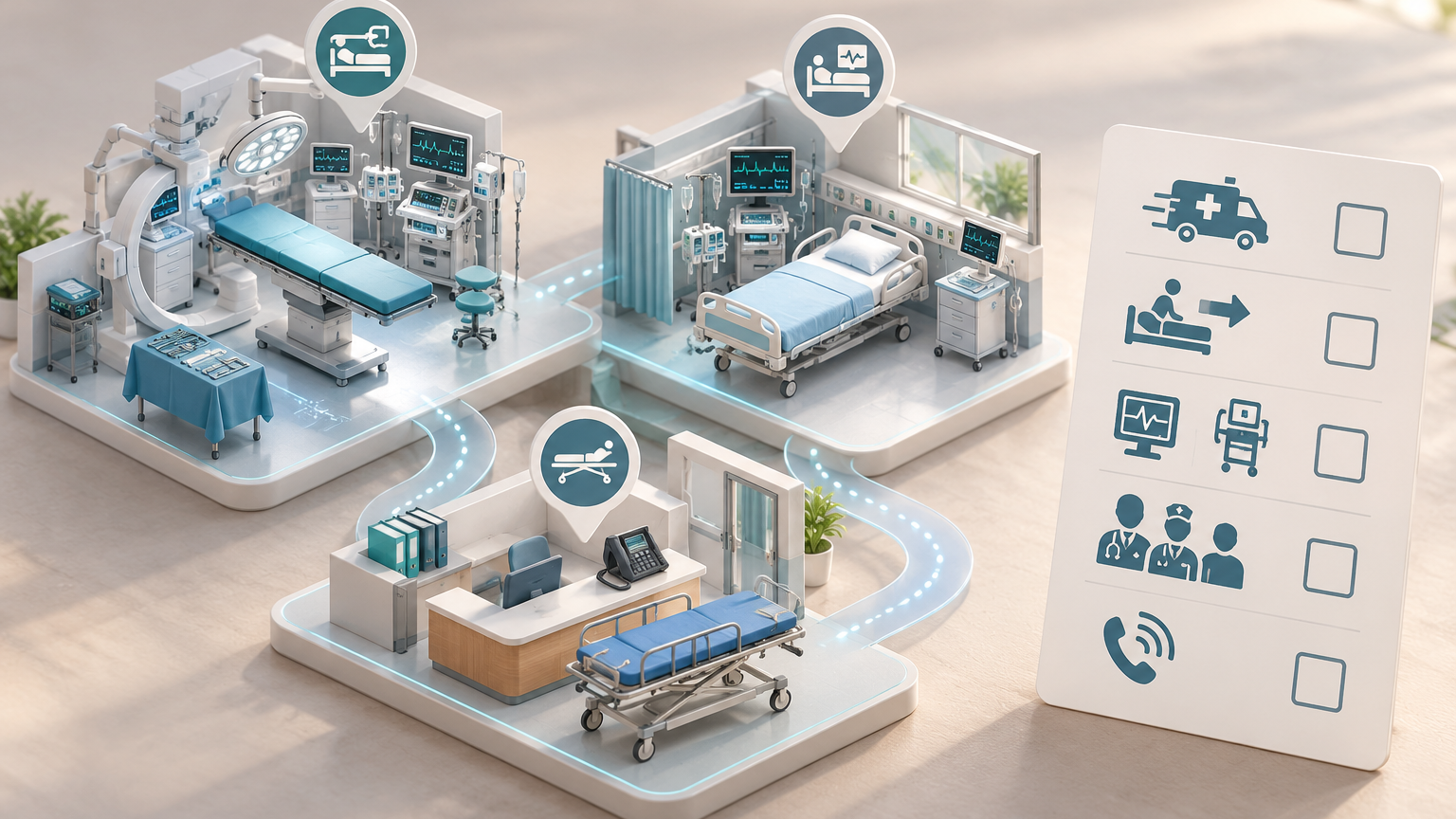
II. Hierarchical Diagnosis and Treatment: The “Three-Tier” System

China’s hierarchical system guides patients to the right facility based on their condition, ensuring efficient resource allocation :

1. Primary Care (Grade 1: Community/Township Hospitals)

  • For: Minor illnesses (cold, fever, diarrhea), chronic disease management (hypertension, diabetes), vaccinations, and post-operative rehabilitation.
  • Perks: No long queues, closest to residential areas, highest insurance reimbursement rates. Doctors can issue long-term prescriptions (up to 12 weeks) for chronic diseases .

2. Secondary Care (Grade 2: District/County Hospitals)

  • For: Common diseases (pneumonia, appendicitis) and routine surgeries (fracture repair, normal childbirth).
  • Role: Act as a bridge between primary care and top hospitals. They handle cases beyond community clinics’ capacity but do not require the expertise of Grade 3 hospitals.

3. Tertiary Care (Grade 3: Provincial/National Hospitals)

  • For: Complex diseases (heart surgery, cancer treatment), rare diseases, and critical care.
  • Access: Patients are advised to get a referral from lower-level hospitals for non-emergencies, which ensures priority appointments and higher insurance reimbursement .

4. Referral Mechanism

  • Within integrated medical alliances (city-level medical groups and county-level medical communities), top hospitals reserve a certain proportion of appointment slots and beds for patients referred from grassroots facilities .
  • Cross-region medical treatment requires evaluation by senior doctors (associate chief physician or above) to ensure necessity .

III. Medical Insurance System: Coverage and Reimbursement

China’s medical insurance covers over 95% of the population, with two main types :

1. Basic Medical Insurance Types

  • Employee Medical Insurance: For formal employees, funded by both employers and employees. It includes a personal account (usable for family members’ medical expenses) and a unified fund for major medical costs .
  • Resident Medical Insurance: For non-employees (students, retirees, unemployed people), funded by personal payments and government subsidies. It covers 住院,outpatient, and chronic disease expenses.

2. Key Insurance Policies for Foreigners

  • Coverage Scope: Foreigners with valid residence permits can participate in local medical insurance. Major cities like Shanghai and Beijing have canceled residency restrictions for flexible workers .
  • Reimbursement Details:
    • In-network public hospitals: Reimbursement rates range from 50% to 85% for inpatient services and 50% for outpatient services .
    • Cross-province medical treatment: Direct settlement is available at designated hospitals. Reimbursement levels are similar to local hospitals with reasonable differences .
    • Family Mutual Aid: Employee medical insurance personal accounts can be used by immediate and extended family members (spouse, parents, children, siblings, grandparents, grandchildren) for medical expenses .

3. International Insurance

  • Major foreign-related hospitals (e.g., Peking University International Hospital, Shanghai Ninth People’s Hospital) support direct payment with international commercial insurance, eliminating the need for upfront payment and reimbursement.

IV. Practical Steps for Foreign Patients to Seek Medical Care

1. Preparation

  • Documents: Passport, residence permit, medical records from home country, and international insurance card (if applicable).
  • Appointment: Book online via hospital official websites, WeChat official accounts, or through the hospital’s international medical department. Emergency cases can go directly to the emergency room or call 120.

2. Consultation Process

  • Registration: Provide personal information at the registration desk (international medical departments offer multilingual services).
  • Consultation: Bring all previous test reports to avoid duplicate examinations. Doctors will issue prescriptions or arrange further tests (e.g., CT, blood work).
  • Payment: Settle bills at the cashier. Medical insurance holders can use their cards for direct deduction; self-payers can use credit cards or mobile payment (WeChat Pay, Alipay).

3. Post-Treatment

  • Medication: Buy drugs at the hospital pharmacy or designated pharmacies with a prescription.
  • Follow-up: For chronic diseases, follow up with community doctors. For complex cases, the hospital may provide remote consultation services .

V. Unique Features: Traditional Chinese Medicine (TCM)

TCM is an integral part of China’s healthcare system, offering alternative treatments like acupuncture, tuina (massage), and herbal medicine. Many hospitals (public and private) have TCM departments, which are popular for chronic pain, rehabilitation, and health preservation. TCM services are included in medical insurance for eligible treatments.

Conclusion: Navigating China’s Healthcare System Easily

China’s healthcare system combines accessibility, professionalism, and flexibility. For foreigners:
  • Choose public hospitals for complex diseases, emergencies, and cost-effectiveness.
  • Opt for private hospitals for specialized, comfortable, and time-saving services.
  • Utilize the hierarchical system to avoid long waits and maximize insurance benefits.
  • Leverage multilingual services and international insurance cooperation for a hassle-free experience.
With a clear understanding of how the system works, foreign patients can confidently access high-quality medical care in China.